
Photography Adventures
A safari planned around light, time and patience, for anyone who wants to come home with the pictures as well as the memories.
Find a Photography SafariOn this page
Overview
Good wildlife pictures come from being in the right place early, staying longer than everyone else, and having room to work. A photography safari is planned around those three things. It is not only for professionals: if you care about your pictures, whether you carry a long lens or a phone, the day can be built to suit them.
What makes it different
- Time at sightings. On a private safari you decide when to move on. We plan fewer stops and longer waits.
- The best light. Days start before sunrise and end at dusk, with the bright middle of the day for rest, travel or editing.
- Space. Tell us how many photographers are travelling and we will plan the vehicle so that each has room and a clear view.
- A guide who understands. Positioning for the light and the background, and switching the engine off when you ask.


Where and what to shoot
- Primates in the forest. Mountain gorillas in Bwindi and Volcanoes National Park, chimpanzees in Kibale and Nyungwe. You spend up to an hour with a gorilla family, close enough that a mid-range zoom is often all you need.
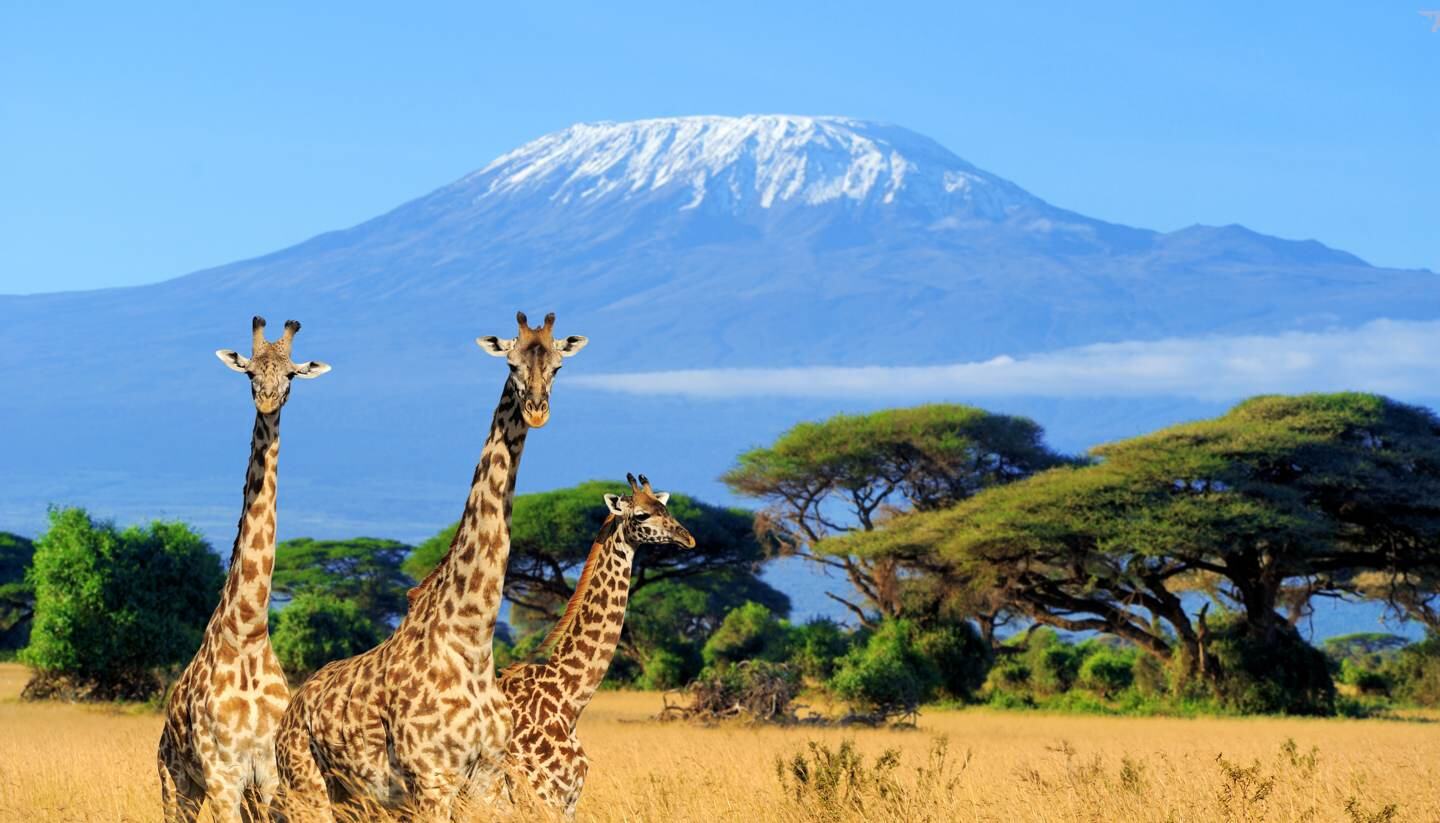
- Elephants under Kilimanjaro. Amboseli's open plains give clean backgrounds and big skies.
- The plains. Big cats and vast herds in the Masai Mara and the Serengeti.
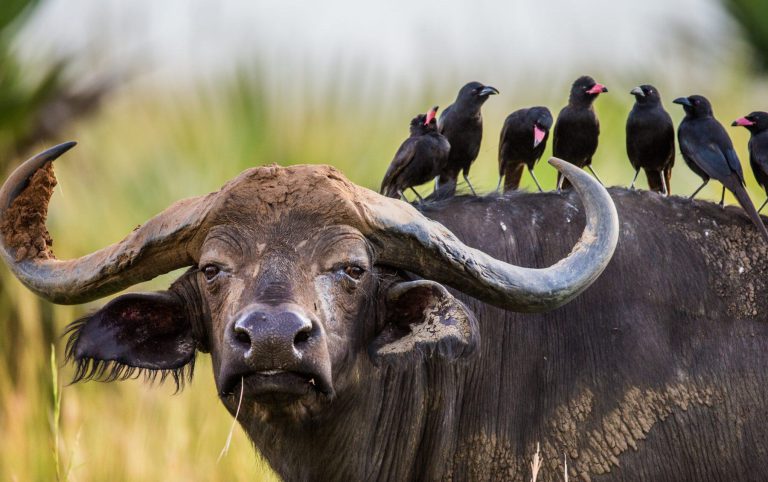
- Water. Boat trips on the Kazinga Channel and the Nile put you at eye level with hippos, buffalo and birds.
- Waterfalls. Murchison Falls and Victoria Falls, from the ground and from above.
When to go
The drier months, roughly June to September and December to February in East Africa, bring easier trekking and animals gathered near water. The greener months bring dramatic skies, fresh colour, young animals and fewer vehicles. Neither is wrong; they give different pictures. Tell us what you want to photograph and we will suggest the season.
Practical notes
- Flash is not allowed with gorillas or chimpanzees, and the forest is dim: a lens that performs well in low light matters more than reach.
- Bring rain covers and dry bags. Forest weather changes quickly.
- Pack spare batteries and cards. Ask us about charging at each place you stay.
- Drone use is restricted in national parks and needs permits arranged in advance. Tell us early if you hope to fly one.
- Always ask before photographing people.
Planning your photography safari
Send us your wish list of subjects, the equipment you travel with and how many of you will be shooting. We will build the route, the timings and the vehicle plan around that.